 info@atlantamovingsolutions.com
 770.485.8384
The weather in Lawrenceville, GA is hot and humid in summer, mild in winter, and rainy all year long. Weather experts call this a humid subtropical climate. In plain terms, it means you will run your air conditioner hard for four months, wear a light jacket instead of a heavy coat most winters, and keep an umbrella in the car every month of the year.
The city averages about 61 degrees Fahrenheit across the year. It gets around 50 inches of rain, which is more than most of the country. Two things surprise newcomers. Summer humidity, not the temperature, is what makes August feel brutal. And winter is so short that you can be outside comfortably most of the year.
Temperatures and Rain by Season
| Season | Average high | Average low | Rain per month |
|---|---|---|---|
| Winter (Dec to Feb) | 50 to 57°F | 33 to 38°F | 4.0 to 4.7 inches |
| Spring (Mar to May) | 62 to 80°F | 40 to 60°F | 3.0 to 3.9 inches |
| Summer (Jun to Aug) | 86 to 90°F | 68 to 71°F | 3.5 to 4.0 inches |
| Fall (Sep to Nov) | 60 to 84°F | 42 to 65°F | 2.2 to 3.5 inches |
July is the hottest month. Highs reach about 90 degrees. January is the coldest month, with highs near 50 and lows near 34. February is usually the wettest month. October is the driest. In a normal year, the temperature stays between 35 and 89 degrees. It rarely drops below 23 or goes above 95.
Summer: The Humidity Is the Problem
Summer starts in late May and lasts through mid-September. Highs sit in the upper 80s and low 90s. That sounds manageable. It is not, because the humidity often sits around 70 percent. A 90-degree day here feels closer to 100.
Storms are part of the routine from June through August. They build up in the afternoon, dump heavy rain for half an hour, then clear. They are usually not dangerous. But they happen often enough that outdoor plans need a backup.
Here is what to expect in summer:
- Your air conditioner runs almost nonstop, and your power bill may double
- Do yard work and exercise before 10 am or after 7 pm
- Mosquitoes get bad after storms, so empty standing water from gutters and pots
- The sun is stronger than you expect, especially in July and August
Winter: Short, Mild, and Icy Once in a While
Winter here is easy compared to most of the country. January highs average about 50 degrees. Lows average about 34. It does freeze at night, but long freezing stretches are rare.
Snow barely happens. Most years bring a light dusting or none at all. December averages a fraction of an inch. Ice is the real winter problem, not snow. When freezing rain hits north Georgia, roads and bridges get slick fast. The area does not own much equipment for treating roads, because it needs it so rarely. When ice comes, schools close, offices close, and everything stops for a day. If you are moving from a northern state, this will feel like an overreaction. It is not. The roads here really are dangerous when they ice over, and most local drivers have no practice on ice.
Spring and Fall: The Best Times of Year
Spring and fall are the reason people put up with August. From March to May, highs climb from the low 60s to around 80. Dogwoods and azaleas bloom. Evenings are comfortable. September and October may be even better. The days stay warm, the nights turn cool, and October is the driest month of the year. Fall colors show up in late October and early November and look great in the parks and along the trails. Spring has one downside. Pollen. North Georgia has one of the heaviest pollen seasons in the country. It peaks in late March and April. Cars turn yellow. If you have allergies, you will notice on day one. The worst of it lasts a few weeks.
Storms and Severe Weather
Lawrenceville is too far inland to get hit by hurricanes directly. Leftover rain and wind from Gulf storms do reach north Georgia sometimes in late summer and early fall.
Tornadoes are possible but not common. The main risk window is March through May, with a smaller bump in November. Most severe weather here is strong straight-line wind and heavy rain, not tornadoes. A weather alert on your phone is enough for most people. Flooding is usually local. It happens near creeks and in spots with poor drainage rather than across wide areas. If a home backs up to a creek, check its flood zone before you buy.
Best and Worst Months to Move to Lawrenceville
Weather affects a move more than people expect. Here is how the year breaks down.
| Time of year | What it is like | Verdict |
|---|---|---|
| Late Sep to early Nov | Mild, dry, low humidity | Best time to move |
| Mar to early May | Nice but wetter, heavy pollen | Good, with allergies |
| Jun to Aug | Feels like 95 plus, daily storms, highest prices | Hardest and most expensive |
| Dec to Feb | Cool and easy, small ice risk | Good value, watch the forecast |
How a Local Crew Handles Georgia Weather
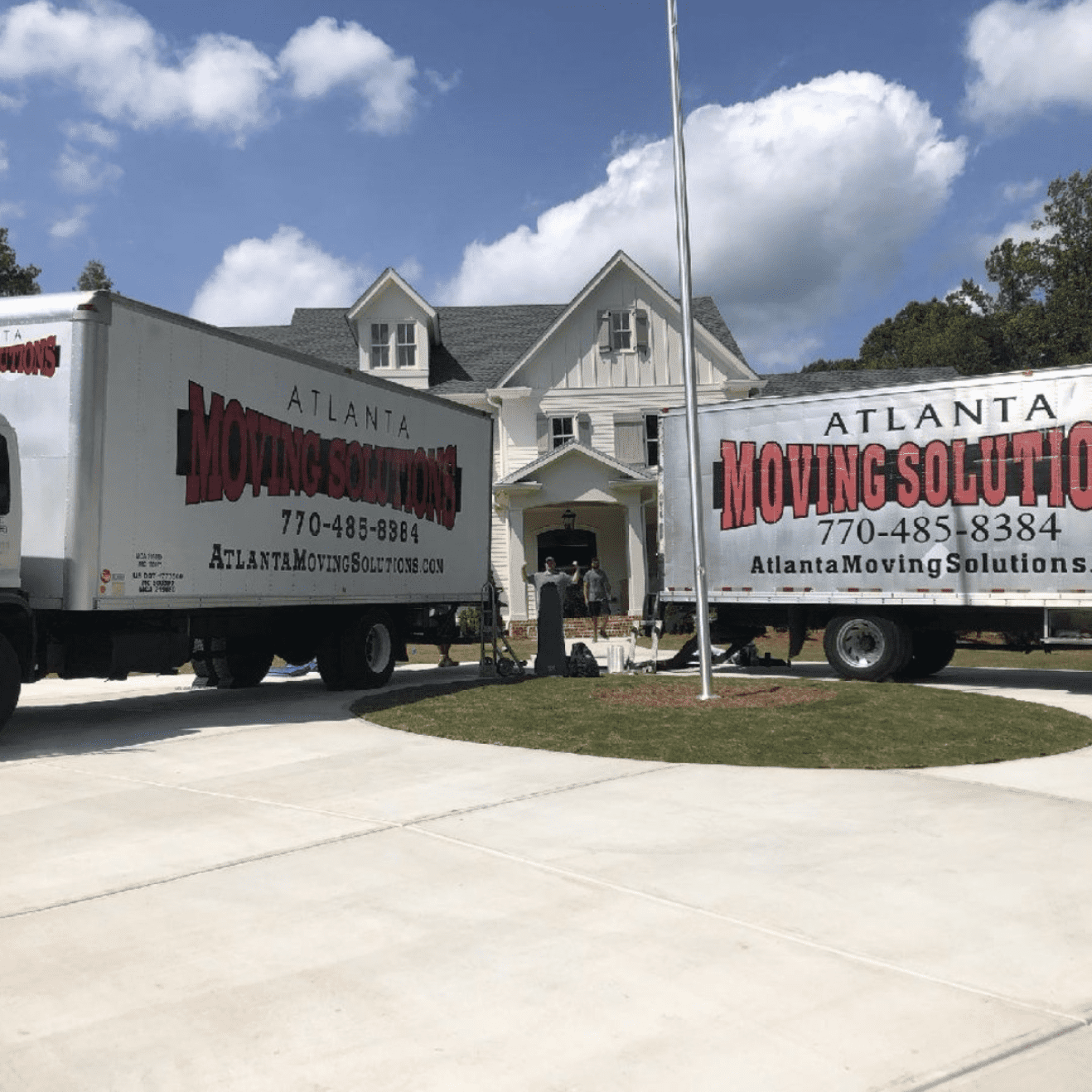
A moving crew that has worked twenty summers in this climate works differently from one that has not. Atlanta Moving Solutions has been running moves through north Georgia heat and rain since 2004, and it shows in small habits that protect your things.
Furniture gets wrapped inside the house, not out at the truck. That matters when a storm shows up with no warning. On 90-degree days, crews rotate and take water breaks, because a tired mover is how walls, floors, and door frames get damaged. Our moving company also takes last-minute and emergency moves. That is exactly what you need when an ice storm or a downpour forces you to change your date. Customers have written reviews about moves finished in pouring rain with their floors kept dry and their furniture kept covered.
Frequently Asked Questions
What is the weather like in Lawrenceville, GA year-round?
Summers are hot and humid with highs near 90 degrees. Winters are mild with highs near 50. Rain totals about 50 inches a year and falls in every month.
Does it snow in Lawrenceville, Georgia?
Snow is rare and usually just a dusting. Ice storms are the bigger winter problem and can shut down roads and schools for a day or two.
What is the hottest month in Lawrenceville?
July is the hottest, with highs around 90 degrees and lows near 70. High humidity makes it feel much hotter than the thermometer says.
When is the best time to visit Lawrenceville, GA?
Late September through October is ideal. You get warm days, cool nights, and the least rain of the year. Spring is also nice, but pollen peaks in late March and April.
Is Lawrenceville, GA at risk for tornadoes?
Tornadoes are possible but not common. The main risk runs March through May, with a smaller peak in November. Most severe weather is heavy rain and strong wind instead.