 info@atlantamovingsolutions.com
 770.485.8384
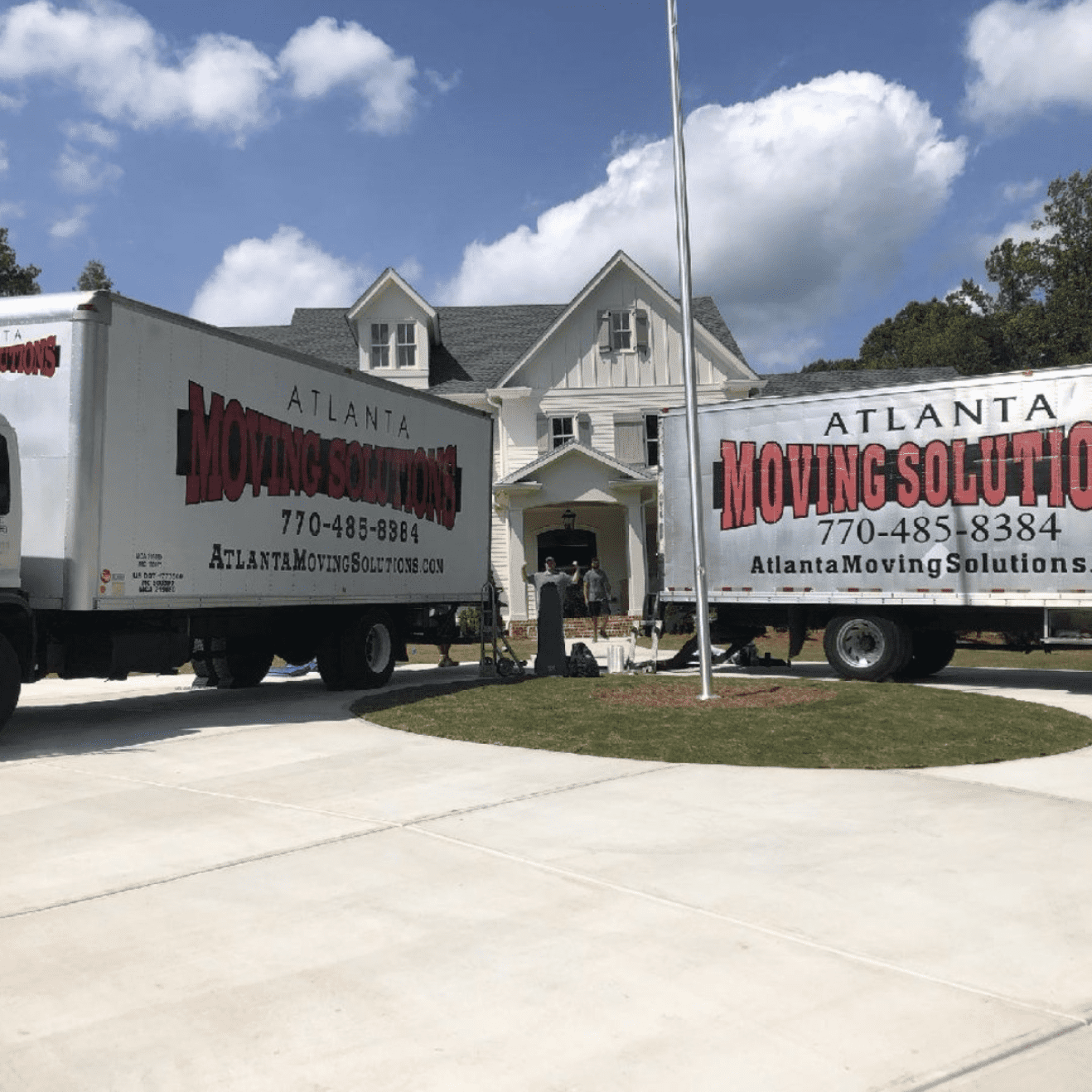
Moving to Lawrenceville, GA puts you in the county seat of Gwinnett County, about 30 miles northeast of downtown Atlanta. The city was incorporated on December 15, 1821, making it the second oldest city in the metro area, and roughly 30,600 people live inside its limits. Several hundred thousand more carry a Lawrenceville mailing address in the surrounding unincorporated county, which is why the place feels considerably larger than its census figure.
People relocate here for three recurring reasons. Housing costs less than comparable homes closer to the perimeter. Gwinnett County Public Schools is one of the strongest large districts in Georgia. And the I-85 and GA-316 job corridor means many residents never commute into Atlanta at all. This guide covers what you actually need to decide: what things cost, where to live, how safe it is, what the weather does, where the hospitals are, and what you will do on a Saturday.
Lawrenceville Overview
| Data point | Figure |
|---|---|
| City population | About 30,600 |
| County | Gwinnett, roughly 957,000 residents |
| Distance to downtown Atlanta | About 30 miles |
| Average commute | Around 32 minutes |
| Median home value | Reported $286,000 to $376,000 by source |
| Median household income | Reported $55,600 to $66,400 |
| Cost of living index | Roughly 100 to 107 against a national baseline of 100 |
| Main ZIP codes | 30043, 30044, 30045, 30046, 30049 |
| Climate | Humid subtropical, about 50 inches of rain annually |
The spread in home value and income figures is not an error. Different providers draw the boundary differently, with some counting only the incorporated city and others including the wider mailing area toward Dacula and Snellville. Compare street addresses, not city averages.
Cost of Living in Lawrenceville
Lawrenceville sits close to the national average overall, with housing driving whatever variance you see. A single person needs roughly $2,600 per month to live comfortably. A family of four needs about $5,100 to $5,900, depending on housing and childcare costs.
| Category | Single person | Family of four |
|---|---|---|
| Housing | $1,232 to $1,545 | $1,893 to $2,290 |
| Food | $400 to $450 | $1,100 to $1,350 |
| Utilities | $150 to $200 | $250 to $320 |
| Transportation | $350 to $450 | $650 to $850 |
| Healthcare | $200 to $300 | $600 to $850 |
| Monthly total | $2,600 to $2,700 | $5,100 to $5,900 |
Groceries run 3 to 4 percent above the national average, though Gwinnett County’s international markets reliably beat chain supermarket pricing on produce and staples. Utilities track near-average but spike from June through September, when air conditioning carries the load.
Housing and Property Taxes
A one-bedroom apartment near the downtown square averages about $1,545 monthly, dropping to around $1,232 further out. Three-bedroom units range from roughly $1,893 to $2,275.
For buyers, two figures matter beyond the sale price. HOA fees are low, typically $400 to $800 per year rather than per month, which surprises people arriving from the Northeast. Property taxes are less forgiving. Georgia assesses homes at 40 percent of fair market value, and Lawrenceville’s combined county, school and city millage lands near 27.55 mills, producing a median effective rate around 1.28 percent. The City of Lawrenceville millage for fiscal 2026 is 3.26 mills. File the homestead exemption on a primary residence, which reduces assessed value by $10,000 for county taxes, $8,000 for school taxes, and $7,000 for recreation taxes.
Best Neighborhoods in Lawrenceville
| Neighborhood | Best for | Housing type |
|---|---|---|
| Downtown Lawrenceville | Walkability, professionals, empty nesters | Townhomes, lofts, historic homes |
| Flowers Crossing at the Mill | Families | Traditional single family, swim and tennis |
| Knollwood Lakes | Amenity seekers | Contemporary homes around a community lake |
| Enclave at Telfair | Move-up buyers | Larger newer homes, gated |
| Alcovy Village and Alcovy Landing | Commuters | Single-family near major routes |
| Chadwick Lakes and Edgewater | Value buyers | Established 1980s and 1990s stock |
Two checks before you commit. Confirm the school attendance zone with the district in writing, because Gwinnett zones do not follow city limits and two houses on the same road can feed different clusters. Then confirm whether the address sits inside the incorporated city, since a Lawrenceville mailing address does not always mean the city millage applies.
Schools
Gwinnett County Public Schools is among the largest districts in Georgia and a genuine relocation driver. Lawrenceville addresses feed several strong high schools, and the Gwinnett School of Mathematics, Science and Technology sits inside the city. That magnet program opened in 2007, serves grades 9 through 12, and enrolls roughly 1,275 students. Georgia Gwinnett College provides four-year public higher education locally.
Crime and Safety
Violent crime in Lawrenceville runs at or near the national average, reported between roughly 324 and 480 incidents per 100,000 residents. Property crime runs above it, driven overwhelmingly by larceny and theft at about 2,425 per 100,000. Package theft, vehicle break-ins, and retail theft account for most reports.
Two structural factors inflate the per capita numbers. As county seat, Lawrenceville draws tens of thousands of non-residents daily to courts, county offices, a hospital and a college, yet rates are calculated against 30,600 residents. The commercial corridors also generate retail theft that residential streets never see. Safety varies sharply by area. One crime mapping service found a resident’s annual victimization chance ranges from about 1 in 30 in central neighborhoods to 1 in 78 in the southeast. Research the street, not the city grade.
Weather and Climate
Lawrenceville has a humid subtropical climate classified as Cfa, averaging about 61 degrees annually with roughly 50 inches of precipitation spread evenly across the year.
| Season | Average high | Average low |
|---|---|---|
| Winter | 50 to 57°F | 33 to 38°F |
| Spring | 62 to 80°F | 40 to 60°F |
| Summer | 86 to 90°F | 68 to 71°F |
| Fall | 60 to 84°F | 42 to 65°F |
July is warmest with highs near 90, though humidity near 70 percent pushes the heat index well past that. January is coldest. Snow is rare and light, but ice storms are the real winter hazard and can close roads and schools for a day or two. Afternoon thunderstorms are routine from June through August. Pollen peaks in late March and April and is heavy enough to coat cars. Tornado risk is moderate, concentrated March through May.
Healthcare
Access is not a constraint here. Northside Hospital Gwinnett, formerly Gwinnett Medical Center, operates a full-service campus in Lawrenceville with emergency, surgical and specialty care. Additional hospital capacity sits within a short drive in Snellville, Duluth and Braselton, and the county carries a dense network of urgent care clinics, primary care practices and specialists. Healthcare costs track close to the national average. Childcare is the bigger budget shock for young families. Full-time infant daycare in Gwinnett County commonly runs $900 to $1,400 per month.
Things to Do
The downtown square is the anchor, built around the 1885 Gwinnett Historic Courthouse and home to the Aurora Theatre, which produces a full professional season including a long-running Spanish-language program. Coolray Field hosts the Gwinnett Stripers, the Atlanta Braves Triple-A affiliate, in a stadium seating just over 10,000.
For outdoors, Rhodes Jordan Park covers 162 acres with a lake and trails at 100 East Crogan Street, while Tribble Mill Park offers longer trail networks and two lakes. Freeman’s Mill Park preserves a restored 19th-century grist mill. Medieval Times and Sparkles Family Fun Center handle family entertainment, and Slow Pour Brewing Company is the local craft beer destination. Within an hour, you reach Stone Mountain Park, Lake Lanier and Athens.
Getting Around
I-85 and GA-316 are the two arteries, carrying you toward Atlanta, Braselton and Athens respectively. Gwinnett County Transit runs local and express routes, but coverage does not reach most subdivisions. Plan on a car per working adult. Gwinnett does not require annual vehicle safety inspections, trimming one small recurring cost.
Planning the Move Itself
| Timing | Action |
|---|---|
| 8 weeks out | Book movers, especially for a summer date |
| 6 weeks out | Declutter room by room, donate or sell |
| 4 weeks out | Transfer utilities, change address, request school records |
| 2 weeks out | Confirm access and parking at both ends |
| 1 week out | Pack a first night box, confirm arrival window |
Two Lawrenceville specifics. Older subdivisions off Sugarloaf Parkway and Highway 20 often have steep, narrow driveways, so tell your movers before they choose a truck size. Downtown townhomes and apartment buildings frequently require a certificate of insurance from the moving company before the truck arrives.
Working With a Mover That Already Knows Gwinnett
Our moving company has served Gwinnett County as part of its eleven-county footprint since 2004, and Lawrenceville sits squarely inside that territory. The company is based in Kennesaw and has stayed under the same family ownership for more than twenty years without ever becoming a franchise. That structure matters on a relocation covering this much ground. The person quoting your move is the same person who trained the crew loading your truck, so when a Lawrenceville driveway needs a smaller vehicle or a shuttle, that call gets made by someone who has seen the street rather than a dispatcher in another state. Every mover on the job is a full-time, background-checked employee, which is the standard worth insisting on when strangers carry your belongings through two front doors in a single day.
Frequently Asked Questions
Is Lawrenceville, GA a good place to live?
For families and commuters wanting space, strong schools, and a real downtown, Lawrenceville performs well. The tradeoffs are car dependence and property crime above the national average, so neighborhood-level research matters.
How much money do you need to live in Lawrenceville, GA?
A single person needs roughly $2,600 per month including housing, and a family of four needs about $5,100 to $5,900. Childcare can add $900 to $1,400 monthly per young child.
What is the crime rate in Lawrenceville, GA?
Violent crime sits at or near the national average while property crime runs above it, with larceny and theft the dominant offense. Rates differ significantly between central and southeastern neighborhoods.
Where is the best place to live in Lawrenceville?
Flowers Crossing at the Mill is the most recommended family neighborhood, downtown suits professionals wanting walkability, and established subdivisions like Chadwick Lakes offer the best price per square foot.
When is the best time of year to move to Lawrenceville?
Late September through early November brings mild temperatures, the lowest rainfall of the year, and better mover availability. Summer is the busiest and most expensive window.